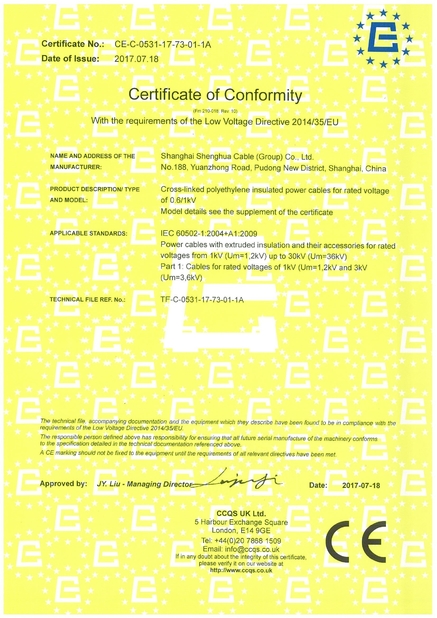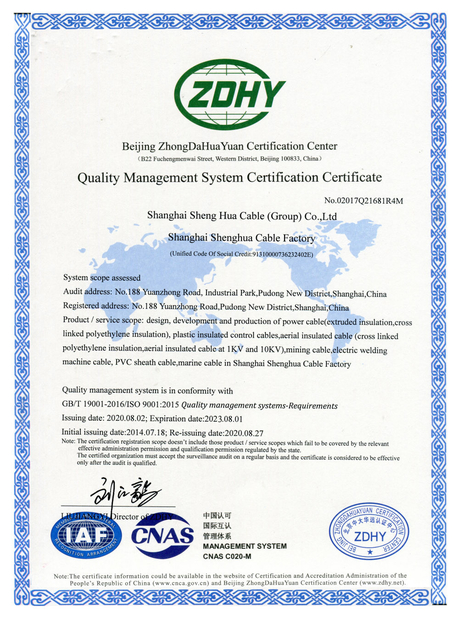
Co. καλωδίων της Σαγκάη Shenghua (ομάδα), ΕΠΕ.

χαμηλής τάσης (LV) καικαλώδια μεσαίας τάσης (MV)Η κατανόηση αυτών των διαφορών είναι ζωτικής σημασίας για τη διασφάλιση της ασφάλειας, της αξιοπιστίας, τηςκαι οικονομική αποτελεσματικότητα κάθε συστήματος ηλεκτρικής ενέργειαςΣτο Shenghua Cable Group, κατασκευάζουμε τα καλώδια μας με έναν σαφή σκοπό: κάθε τάξη τάσης έχει σχεδιαστεί με σχολαστικότητα για να ανταποκρίνεται στις ειδικές ηλεκτρικές και περιβαλλοντικές προκλήσεις.
Το βασικό καθήκον του σχεδιασμού καλωδίων είναι να περιορίζει και να ελέγχει με ασφάλεια το ηλεκτρικό πεδίο.που απαιτούν εντελώς διαφορετικές λύσεις μηχανικής.
Στόχος σχεδιασμού: Διαχείριση σχετικά μέτριας ηλεκτρικής πίεσης, δίνοντας προτεραιότητα στην ικανότητα μεταφοράς ρεύματος και στη βασική προστασία.
Τυπική κατασκευή Shenghua:
Διοδηγός: Χαλκός ή αλουμίνιο, με σχετικά μικρότερες εγκάρσιες τομές.
Μόνωση: Ένα μόνο στρώμα από PVC ή XLPE, που παρέχει απαραίτητη ηλεκτρική μόνωση.
Προστασία: Συνήθως ένα ενιαίο κάλυμμα για την υγρασία και ήπια μηχανική προστασία· συχνά χωρίς θωράκιση για εσωτερική χρήση.
Εφαρμογή: Τελική καλωδίωση κυκλώματος μέσα σε κτίρια ̇ φωτισμός, πρίζες και παροχή ενέργειας σε εξοπλισμό.
Στόχος του σχεδιασμού: Πρέπει να ελέγχει αυστηρά και να διανέμει ομοιόμορφα το έντονο ηλεκτρικό πεδίο για να αποτρέψει την μερική εκφόρτιση και τη βλάβη.
Τυπική κατασκευή Shenghua:
Οδηγός: Μεγαλύτερες διατομές, μερικές φορές με ειδικά σχήματα για τη βελτιστοποίηση του ηλεκτρικού πεδίου.
Το σύστημα μόνωσης (κλειδί διαχωρισμού): Το υψηλής ποιότητας XLPE είναι ο κύριος μόντης, αλλά περιβάλλεται πάντα από ημιαγωγικές οθόνες (οθόνη αγωγού και οθόνη μόνωσης).Αυτά τα στρώματα εξομαλύνουν τις ανωμαλίες και κατανέμουν ομοιόμορφα το ηλεκτρικό πεδίο, εξαλείφοντας τις επικίνδυνες συγκεντρώσεις.
Προστασία και προστασία:
Μεταλλική ασπίδα: Χαλκού ταινία ή σύρμα πλέξιμο για να μεταφέρει ρεύματα σφάλματος, να παρέχει γείωση και ασπίδα κατά EMI.
Ασπίδα: Ζυγισμένο ατσάλινο σύρμα ή ταινία για ισχυρή μηχανική προστασία σε απαιτητικά περιβάλλοντα όπως άμεση ταφή ή βιομηχανικές εγκαταστάσεις.
Εξωτερική επιφάνεια: Ένα ανθεκτικό στο τριβή και στη διάβρωση σακάκι.
Αυτές οι βαθιές διαφορές σχεδιασμού οδηγούν φυσικά σε σημαντικά διαφορετικές πρακτικές εγκατάστασης.αλλά και την κρίσιμη τεχνική υποστήριξη για τη σωστή εγκατάσταση.
Εγκατάσταση: Συχνά επιτρέπεται για άμεση ταφή (με κατάλληλη προστασία) ή σε δίσκους / σωλήνες σε μη επικίνδυνες περιοχές.
Τερματισμός και σύνδεση: Οι συνδέσεις είναι σχετικά απλές, χρησιμοποιώντας τυπικές λαβές συμπίεσης ή συνδέσεις, με χαμηλότερες απαιτήσεις δεξιοτήτων στο χώρο.
Δοκιμές: Οι δοκιμές μετά την εγκατάσταση επικεντρώνονται στη συνέχεια και στην αντοχή της μόνωσης.
Εγκατάσταση (Η καθοδήγηση Shenghua είναι το κλειδί):
Ράδιο κάμψης: Η αυστηρή τήρηση της ελάχιστης ακτίνας κάμψης (συνήθως > 12-20x διάμετρος καλωδίου) είναι υποχρεωτική για την πρόληψη μόνιμης βλάβης στην μόνωση και τις οθόνες.
Τράβηξη: Πρέπει να υπολογίζεται και να ελέγχεται με ακρίβεια.
Τερματισμός & Συνδυασμός: Η Κριτική Φάση
Ελέγχος της έντασης: οι κώνοι έντασης ή οι προδιαμορφωμένοι τερματισμοί είναι απολύτως απαραίτητοι.την πρόληψη της συγκεντρωμένης πίεσης που οδηγεί σε αποτυχία.
Καθαρότητα και κατασκευή: Ένα καθαρό, ελεγχόμενο περιβάλλον είναι ζωτικής σημασίας.
Παρακολούθηση της θερμοκρασίας: κρίσιμη για τεχνικές θερμικής συρρίκνωσης ή παρόμοιες τεχνικές σύνδεσης.
Δοκιμές: Η δοκιμή αποδοχής υψηλής τάσης (π.χ. δοκιμή αντοχής συνεχούς ρεύματος ή δοκιμή VLF) είναι υποχρεωτική για την επικύρωση της ακεραιότητας ολόκληρου του συστήματος μόνωσης και της κατασκευής της εγκατάστασης.
|
Ειδικότητα
|
Καλώδιο χαμηλής τάσης.
|
Καλώδιο μεσαίας τάσης.
|
|---|---|---|
|
Σχεδιασμός
|
Σήμερα, η βασική μόνωση
|
Έλεγχος ηλεκτρικού πεδίου, πολυεπίπεδη προστασία
|
|
Βασική δομή.
|
Ο αγωγός + η μόνωση + το περίβλημα
|
Διοδηγός + Σκηνή Σημείωσης + XLPE + Σκηνή Σημείωσης + Μεταλλική Ασπίδα + (Ασπίδα) + Κεφάλαιο
|
|
Εστίαση εγκατάστασης
|
Αξιόπιστες συνδέσεις, λογική διαδρομή
|
Ακριβής ακτίνα κάμπωσης, ακρίβεια τερματισμών ελέγχου στρες, δοκιμές HV
|
|
Φιλοσοφία Ασφάλειας
|
Αποτρέψτε το σοκ και το βραχυκύκλωμα
|
Αποτρέψτε τη διάσπαση του διηλεκτρικού, την μερική εκφόρτιση και τη σοβαρή βλάβη του συστήματος
|
Σκεφτείτε το με αυτόν τον τρόπο: Η εγκατάσταση καλωδίου LV είναι σαν τοποθέτηση αξιόπιστου υδραυλικού οικιακού,Η εγκατάσταση καλωδίων MV είναι παρόμοια με την εγκατάσταση βιομηχανικών αγωγών αερίου υψηλής ακρίβειας υψηλής πίεσης., η σφράγιση των αρθρώσεων και η ακρίβεια εγκατάστασης είναι εκθετικά υψηλότερες.
Η επιλογή του σωστού καλωδίου είναι θεμελιώδης για την ασφάλεια του συστήματος και τη μακροζωία του.από ακριβώς κατασκευασμένα καλώδια LV και MV που έχουν σχεδιαστεί σύμφωνα με διεθνή πρότυπαΕμπιστευτείτε την Shenghua να σας παρέχει όχι μόνο προϊόντα, αλλά την αξιοπιστία και την ασφάλεια από την οποία εξαρτάται το ηλεκτρικό σας σύστημα.