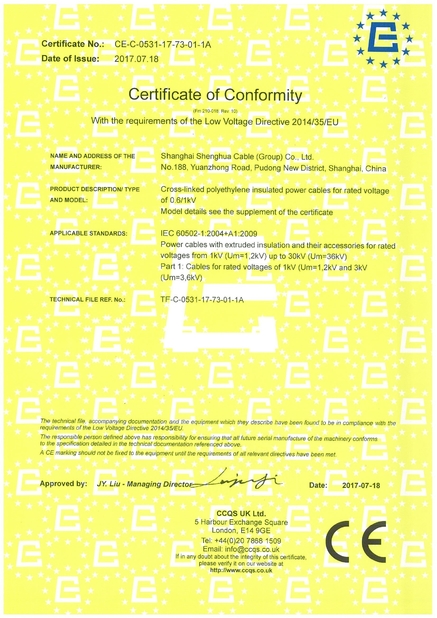
Co. καλωδίων της Σαγκάη Shenghua (ομάδα), ΕΠΕ.

Εξασφάλιση της αξιοπιστίας: Η αυστηρή δοκιμήΥψηλής τάσης καλώδιοΣυνδέσεις και διακοπές
Στα δίκτυα ηλεκτρικής ενέργειας υψηλής τάσης (HV) και εξαιρετικής υψηλής τάσης (EHV), οι συνδέσεις και οι τερματισμοί των καλωδίων δεν αποτελούν απλώς σημεία σύνδεσης· αποτελούν κρίσιμες γραμμές ζωής.Η αποτυχία τους μπορεί να οδηγήσει σε καταστροφικές διακοπές.Επομένως, η διασφάλιση της δεκαετούς αξιοπιστίας τους υπό σκληρές συνθήκες του πραγματικού κόσμου είναι πρωταρχικής σημασίας.Αυτό επιτυγχάνεται μέσω μιας μπαταρίας από εξελιγμένα πρωτόκολλα δοκιμών που έχουν σχεδιαστεί για να προσομοιώσουν δεκαετίες άγχους σε ένα συμπυκνωμένο χρονικό πλαίσιο., προληπτικά στοχεύοντας σε γνωστές συνθήκες βλάβης.
Ο γενικός στόχος αυτών των δοκιμών είναι να επικυρωθεί ότι η σύνδεση ή το σύνολο τερματισμού είναι, στην πραγματικότητα, ο πιο αδύναμος κρίκος που αφαιρείται,δημιουργώντας μια απρόσκοπτη επέκταση του ίδιου του καλωδίου που είναι εξίσου ανθεκτική.
Βασικές μεθοδολογίες δοκιμών: Μια προσέγγιση πολλαπλών πιέσεων
Η αξιοπιστία δεν αποδεικνύεται με μία μόνο δοκιμή, αλλά με ένα συνδυασμό που επιτίθεται στην συναρμολόγηση από κάθε γωνία.
Μέτρηση μερικής εκκένωσης (PD): Σύστημα "πρώιμης προειδοποίησης"
Τι είναι:Ένα πολύ ευαίσθητο διαγνωστικό τεστ που ανιχνεύει και ποσοτικοποιεί μικροσκοπικές ηλεκτρικές εκκενώσεις μέσα ή κατά μήκος της επιφάνειας της μόνωσης.
Στόχος λειτουργίας αποτυχίας:Η δοκιμή εντοπίζει μικροσκοπικές ατέλειες που με την πάροδο του χρόνου θα μπορούσαν να προκαλέσουν ατυχήματα.προπαραδίδονται σε "δέντρα" βλάβης και οδηγούν σε πλήρη κατάρρευση.
Δοκιμασία θερμικών κύκλων και κύκλων φόρτωσης: προσομοίωση διάρκειας ζωής
Τι είναι:Το σύνολο υποβάλλεται σε επαναλαμβανόμενους κύκλους θέρμανσης (με την εφαρμογή ρεύματος) και ψύξης.θερμοκρασία περιβάλλοντος και θερμοκρασία αγωγού 90-100°C.
Σκοπός:
Θερμική Runaway:Προκαλείται από κακή αντίσταση επαφής στην σύνδεση των αγωγών, οδηγώντας σε υπερθέρμανση και τελική τήξη.
Αποστρωματισμός & Αποτυχία σφράγισης:Η διαφορική επέκταση/συγκράτηση των υλικών μπορεί να σπάσει δεσμούς, να δημιουργήσει κενά ή να σπάσει τις σφραγίδες υγρασίας.
Μηχανικές και ηλεκτρομηχανικές δοκιμές: Απόδειξη της φυσικής αντοχής
Τι είναι:Μια σειρά δοκιμών που εφαρμόζουν φυσική δύναμη, συμπεριλαμβανομένης της κάμψης, της έντασης, της συμπίεσης και των δονήσεων.
Σκοπός:Διασφαλίζει ότι η σύνδεση επιβιώνει από την εγκατάσταση, το έδαφος, τον άνεμο που προκαλεί την ταλάντευση του αγωγού,και σεισμικά γεγονότα χωρίς μηχανική ή επακόλουθη ηλεκτρική βλάβη.
Έλεγχος Επιβαρύνσεων Περιβάλλοντος: Άμυνα ενάντια στα στοιχεία του αέρα
Δοκιμή βύθισης/στεγνότητας στο νερό:Οι συναρμολογήσεις βυθίζονται σε νερό για παρατεταμένες περιόδους, συχνά υπό πίεση ή κενό, και στη συνέχεια δοκιμάζονται για τη διηλεκτρική αντοχή.Αυτό επαληθεύει την ακεραιότητα των ακτίνων και των διαμήκων φραγμών υγρασίας.
Στόχος λειτουργίας αποτυχίας:Η εισροή υγρασίας, ειδικά υπό ηλεκτρική πίεση, οδηγεί στο σχηματισμό "νερό δέντρα" μέσα στην μόνωση ένα αργό αλλά θανατηφόρο μηχανισμό υποβάθμισης.
Δοκιμές τύπου υψηλής τάσης και επιταχυνόμενη γήρανση
Τι είναι:Η τελική απόδειξη σχεδιασμού.και συχνότητα ισχύος AC) μετά από υποβολή σε μακροχρόνια δοκιμή επιταχυνμένης γήρανσης που περιλαμβάνει θερμικό κύκλοΑυτή η "τελική εξέταση" αποδεικνύει ότι το σχέδιο μπορεί να αντέξει μια ζωή ηλεκτρικών, θερμικών και περιβαλλοντικών πιέσεων.
Στόχος λειτουργίας αποτυχίας:Αυτή είναι η απόλυτη δοκιμή, προκαλώντας όλο το μονωτικό σύστημα στα όρια του σχεδιασμού και πέρα.
Πρωτόκολλα έναντι τρόπων αποτυχίας: Σύνοπτος πίνακας
| Πρωτόκολλο δοκιμής | Πρωτογενής στοχευμένη κατάσταση βλάβης (s) | Τι Αποδεικνύει στην Πρακτική |
|---|---|---|
| Δοκιμή μερικής εκφόρτισης (PD) | Ηλεκτρικό δέντρο, κενά, μόλυνση. | Το σύστημα μόνωσης είναι ουσιαστικά απαλλαγμένο από επικίνδυνα μικροελαττώματα. |
| Δοκιμή θερμικού κύκλου και φορτίου | Θερμική απόδραση, αποστρωματισμός της διεπαφής, αποτυχία σφραγίδας. | Η σύνδεση διατηρεί σταθερή επαφή και ακεραιότητα της σφραγίδας μέσω ημερήσιων / εποχιακών αλλαγών φορτίου. |
| Μηχανική/σεισμική δοκιμή | Φυσική ρήξη, διακοπή ασπίδας, σπασμένη στερέωση. | Η σύνδεση μπορεί να αντέξει την εγκατάσταση, την κίνηση της γης και τις δονήσεις λειτουργίας. |
| Βύθιση στο νερό / Σφιχτότητα | Η εισροή νερού, το δέντρο του νερού. | Το φράγμα υγρασίας είναι τέλειο, προστατεύοντας την μόνωση για δεκαετίες. |
| Δοκιμές τύπου υψηλής τάσης | Η διάσπαση του διηλεκτρικού υπό συνδυασμένες πιέσεις. | Ο ολοκληρωμένος σχεδιασμός πληροί διεθνή πρότυπα για μακροπρόθεσμη αξιοπιστία λειτουργίας. |
Συμπέρασμα: Πέρα από τη συναρμολόγηση συστατικών σε επικυρωμένο σύστημα
Η προδιαγραφή και η εγκατάσταση συνδέσεων και τερματισμών καλωδίων υψηλής τάσης δεν είναι απλώς μια εργασία σύνδεσης· είναι η ενσωμάτωση ενός προκαθορισμένου και προετοιμασμένου υποσυστήματος.Τα τυποποιημένα πρωτόκολλα δοκιμών μετατρέπουν ένα πιθανό σημείο αποτυχίας σε ένα τεκμηριωμένο σημείο δύναμηςΓια τους φορείς εκμετάλλευσης δικτύων, οι δοκιμές αυτές παρέχουν την εμπιστοσύνη ότι τα κρίσιμα στοιχεία αυτά θα λειτουργούν αθόρυβα και αξιόπιστα για όλη τη σχεδιασμένη διάρκεια ζωής του συστήματος καλωδίων,διασφάλιση της ραχοκοκαλιάς του ηλεκτρικού δικτύου από προβλέψιμες και απρόβλεπτες πιέσειςΝα διασφαλίζεται πάντοτε ότι οι αρθρώσεις και οι τερματισμοί υποβάλλονται πλήρως σε δοκιμή τύπου σύμφωνα με τα τελευταία διεθνή πρότυπα για την συγκεκριμένη τάση και εφαρμογή.